
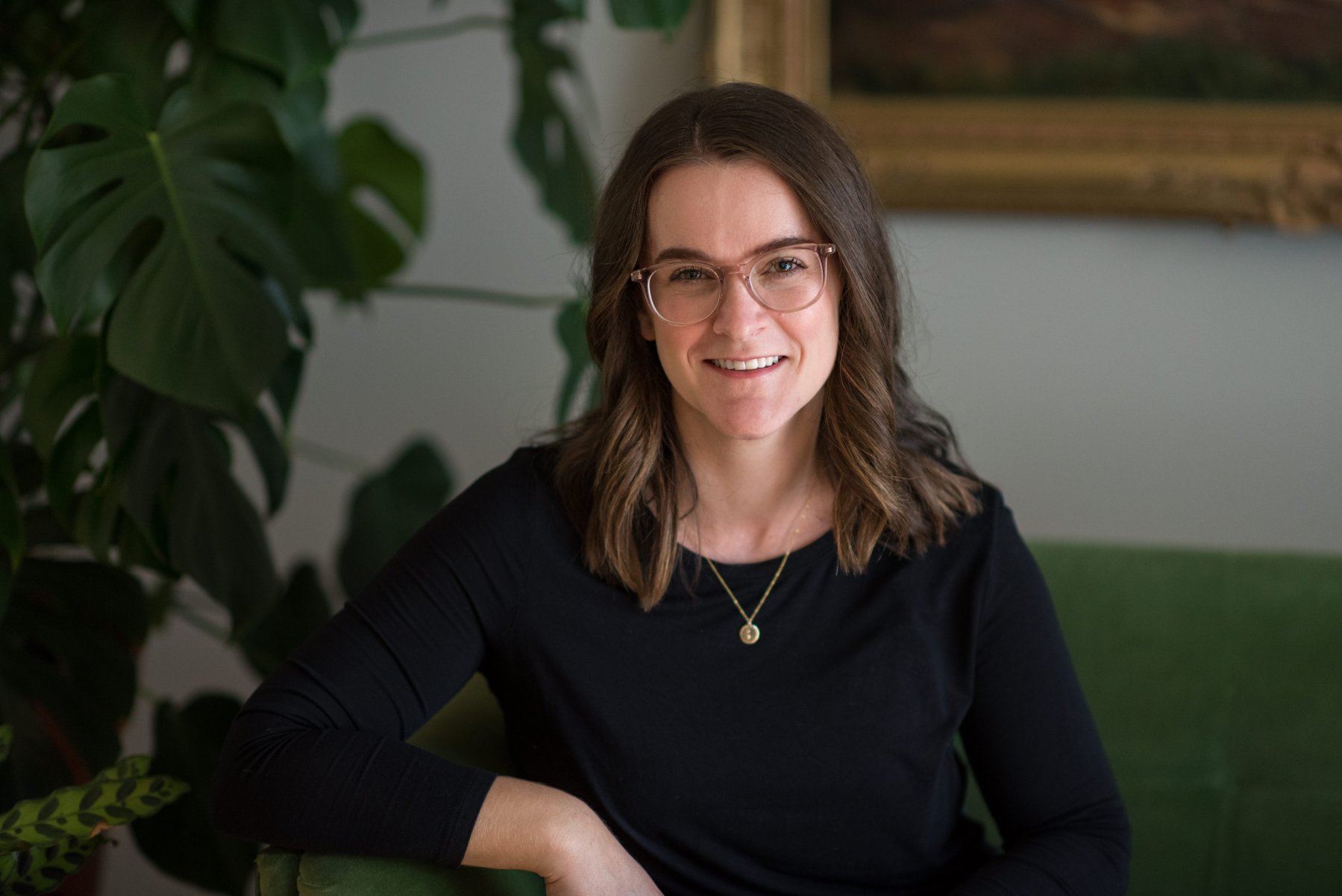
As a Neurodivergent affirming practitioner and late-diagnosed Autistic individual, I honor and celebrate the diverse ways in which brains can function. The Neurodivergent affirming perspective holds that Autism and other forms of neurodivergence are natural variations of the human experience rather than deficits or disorders that need to be "fixed.”
My assessment process focuses on honoring and validating your lived experience and exploring patterns of behavior and sensory interests, as well as your strengths and differences. I work with you to determine if a diagnosis of Autism is accurate and provide you with a written report that will assist you in integration, advocating for your needs, and empowering yourself and others in your life to embrace your neurotype.
I specialize in working with folks who have received diagnoses that don’t seem to accurately or completely capture their experience, AFAB individuals, and those with histories of trauma.
Process and Approach
The assessment process is adapted from training by Dr. Emily Haygeman and Dr. Marilyn J. Monteiro, and consists of five sessions in which we will:
1. Gather mental health and developmental history
Review psychological tests and screeners provided by your provider which are completed by you before our initial session.
2. Work through an extensive interview with you known as the MIGDAS to explore your historical and present-day experience
3. Review information provided by those who are close to you if that is needed and/or accessible.
At the end of the process, you will receive a written report detailing your history, details of the information you provided, an analysis of the findings, a summary of the current presentation, diagnostic impression and appropriate diagnosis, and recommendations and ideas for the next steps in your journey. Our final session together is a time for us to meet to discuss the results, process your experience, and explore integration.